
Top Stories
- 20 Roka Decor Ideas for a Home Ceremony
- Top 20 Wedding Decorators in Lucknow
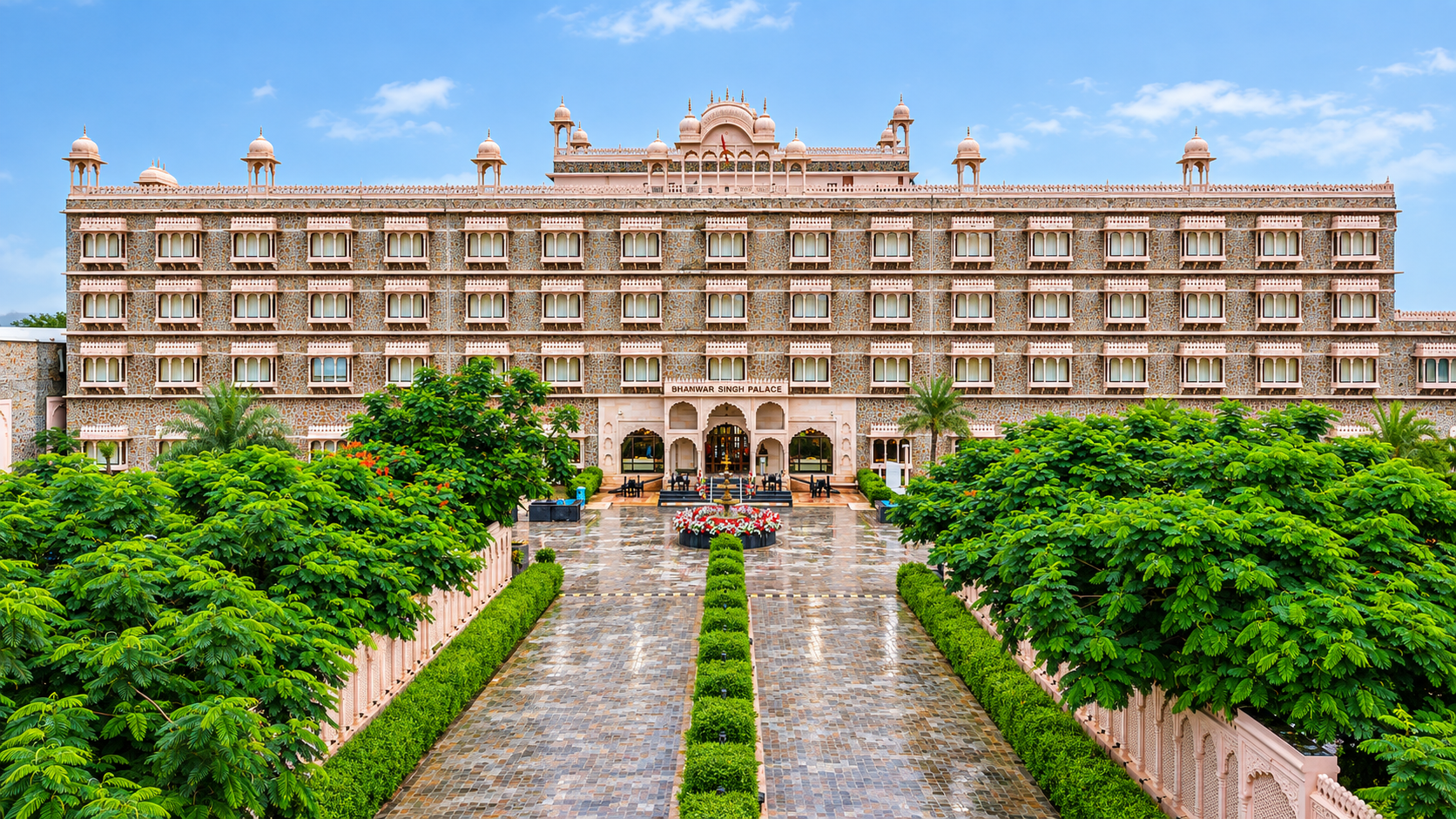
- How Much Does Bhanwar Singh Palace Jaipur Cost?
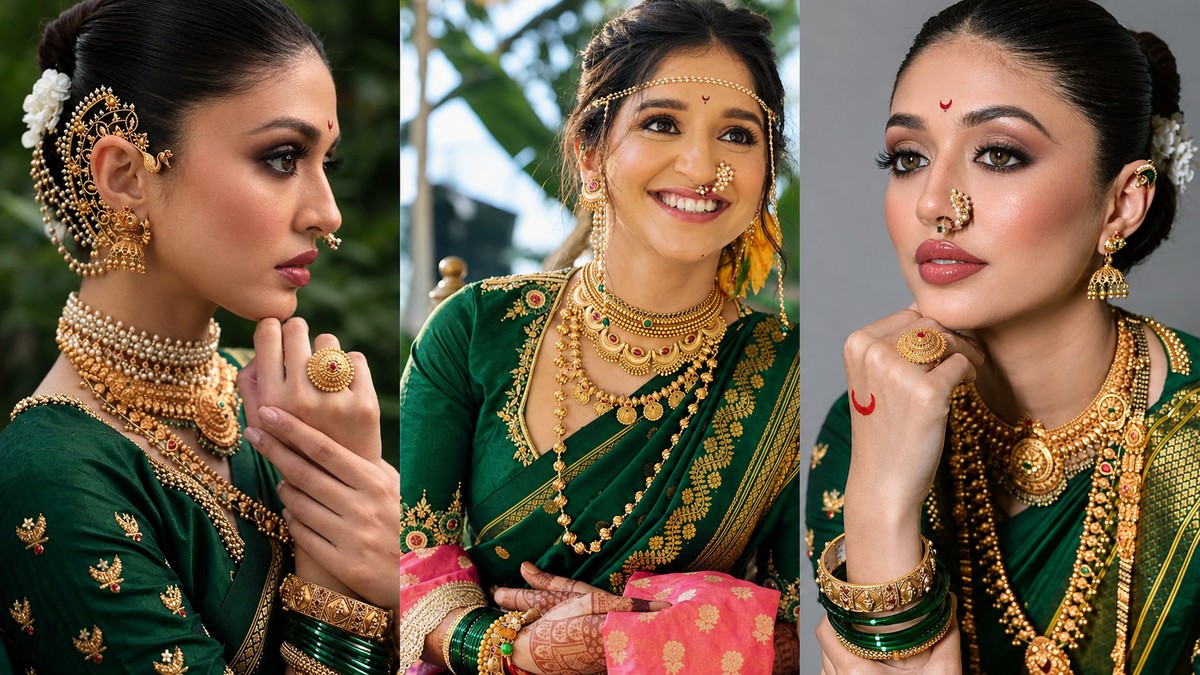
- 10 Iconic Maharashtrian Jewellery Pieces for Brides
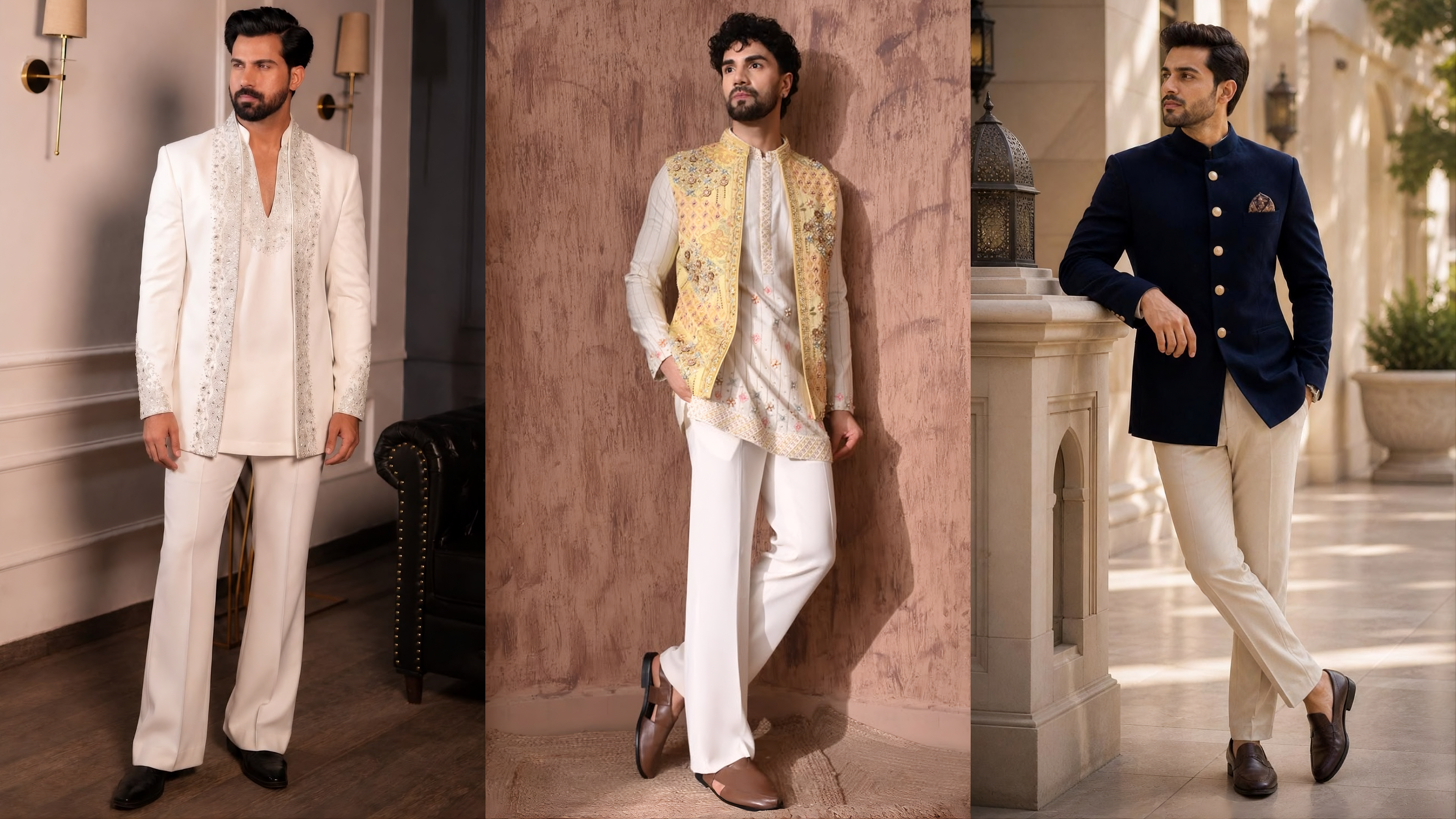
- 20+ Engagement Outfit Ideas for Grooms-To-Be
- 10 Sugar-Free Wedding Dessert Ideas
- First Ganesh Chaturthi After Marriage: 10+ Decor Theme Ideas
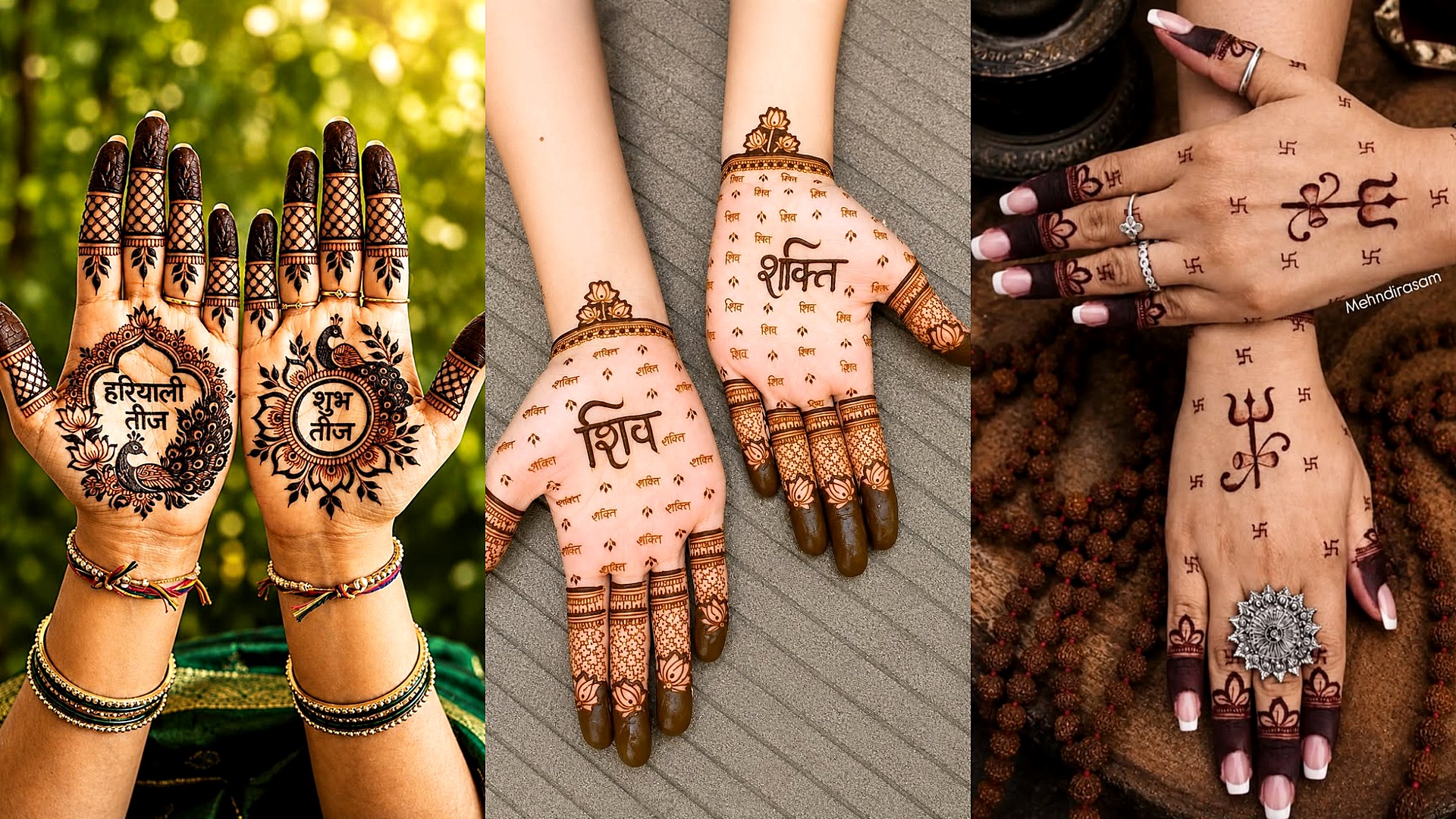
- 25+ Trending Hartalika Teej Mehndi Designs
- Legal Requirements for International Destination Weddings
- Best 45+ Wedding Games Ideas for Family, Friends & Couples
- 10+ Pre-Wedding Shoot Themes You’ll Want to Try in 2026
- Why Indira Gandhi Pratishthan Is The Wedding Venue That Actually Earns The Hype?
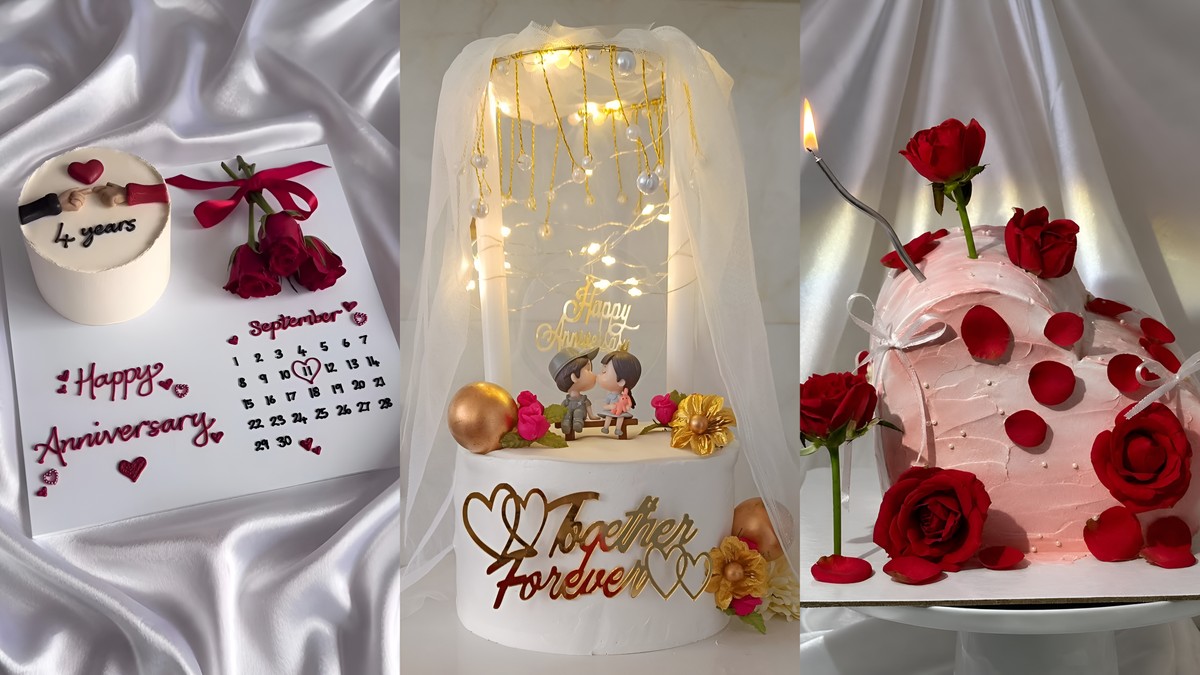
- 20+ Unique Marriage Anniversary Cake Ideas You’ll Want to Try
- 50+ Best Bollywood Mehendi Songs for Wedding (2026 Playlist Guide)
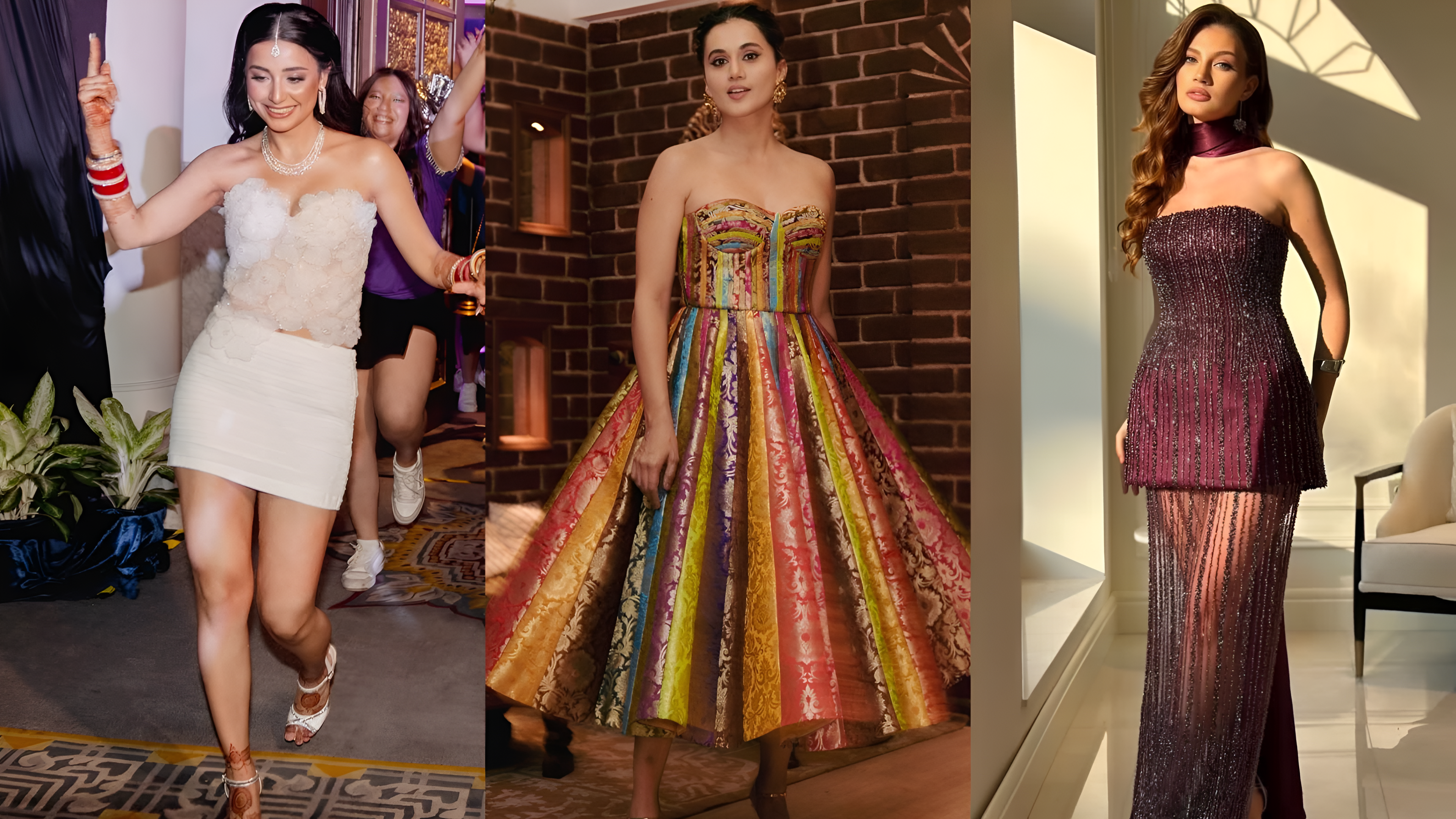
- 15 After-Party Dresses That Will Make Every Head Turn
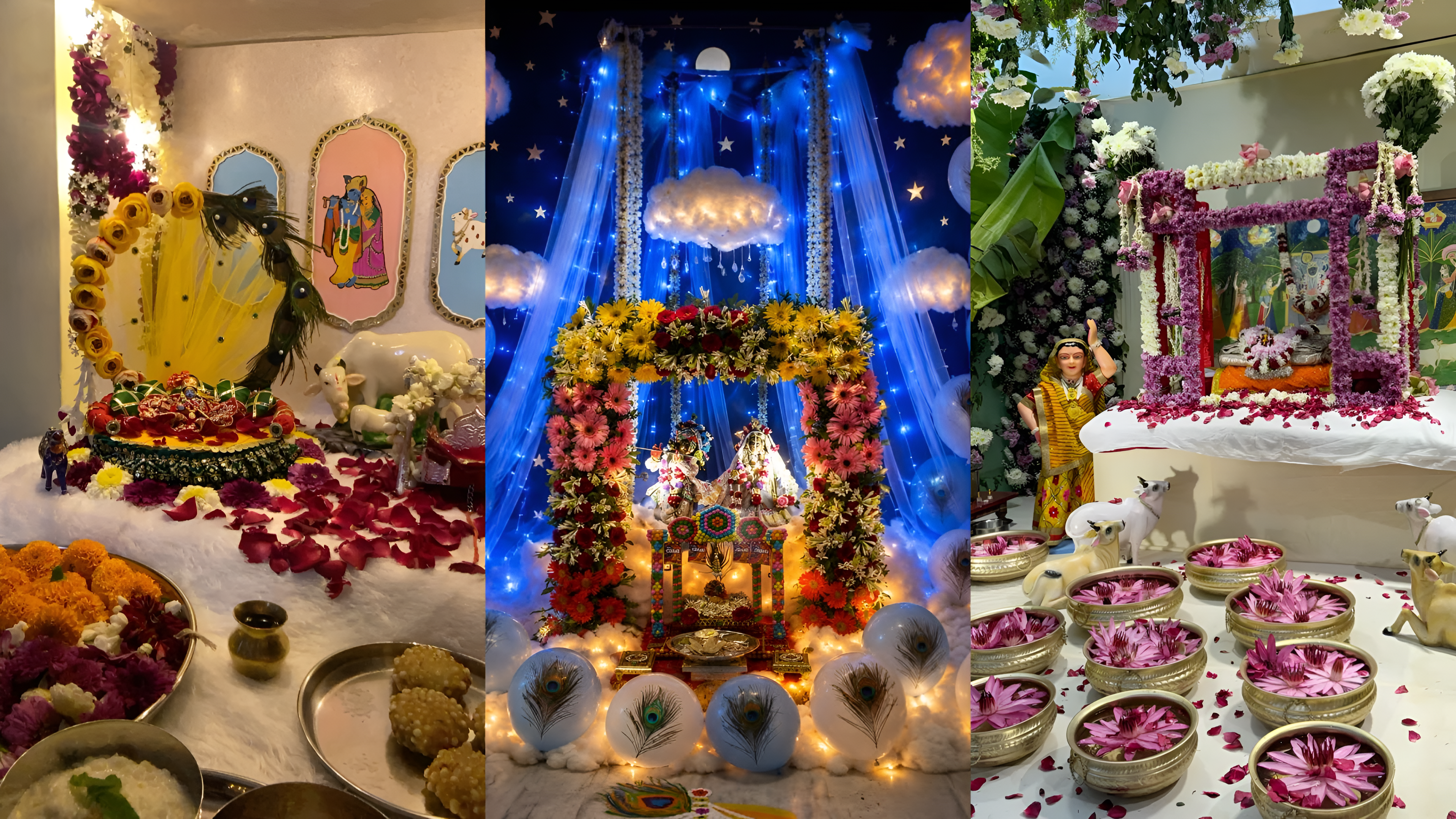
- 15 Beautiful Janmashtami Jhanki Ideas for Home & Society
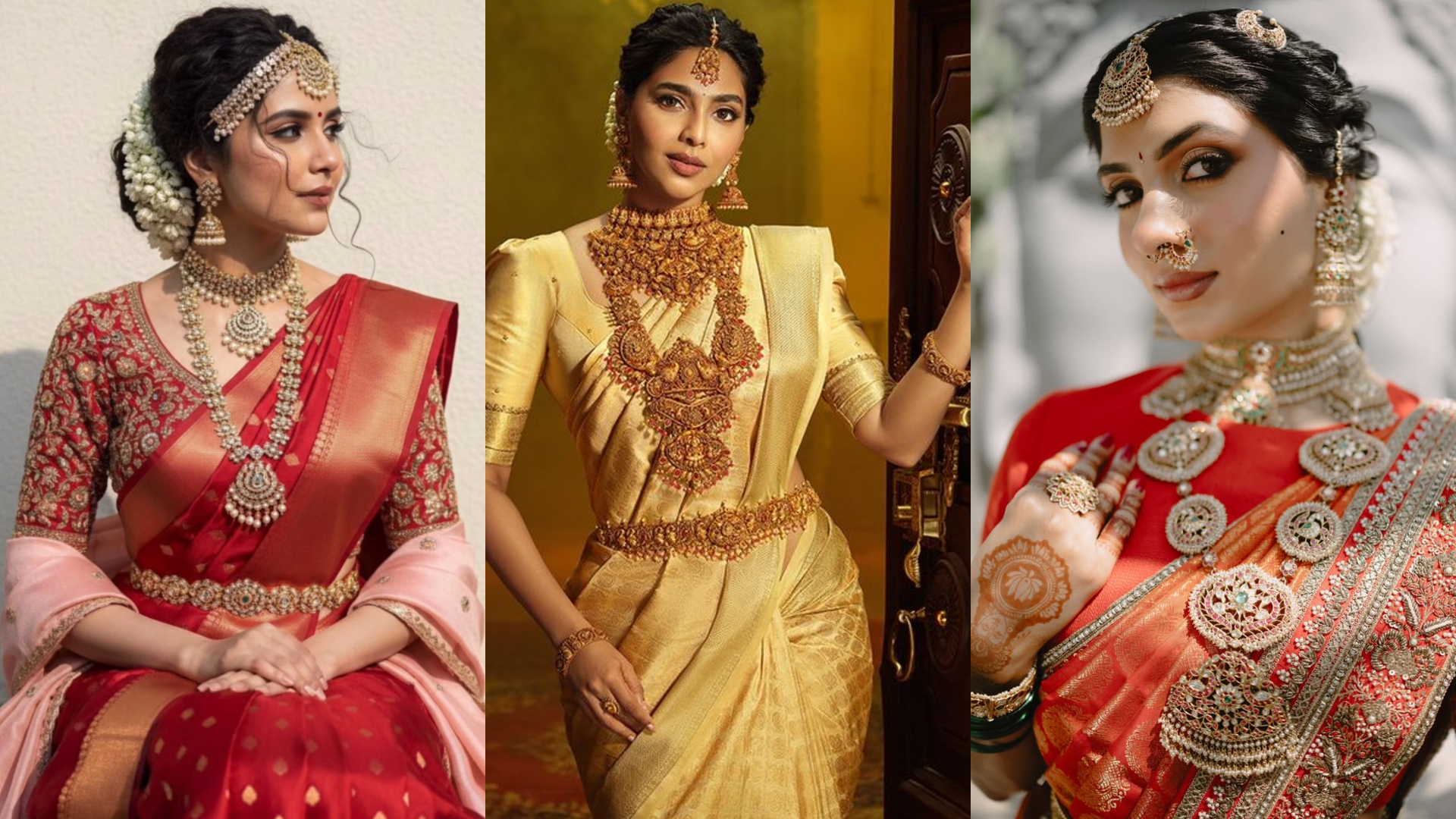
- 21 Best South Indian Jewellery Ideas for Weddings
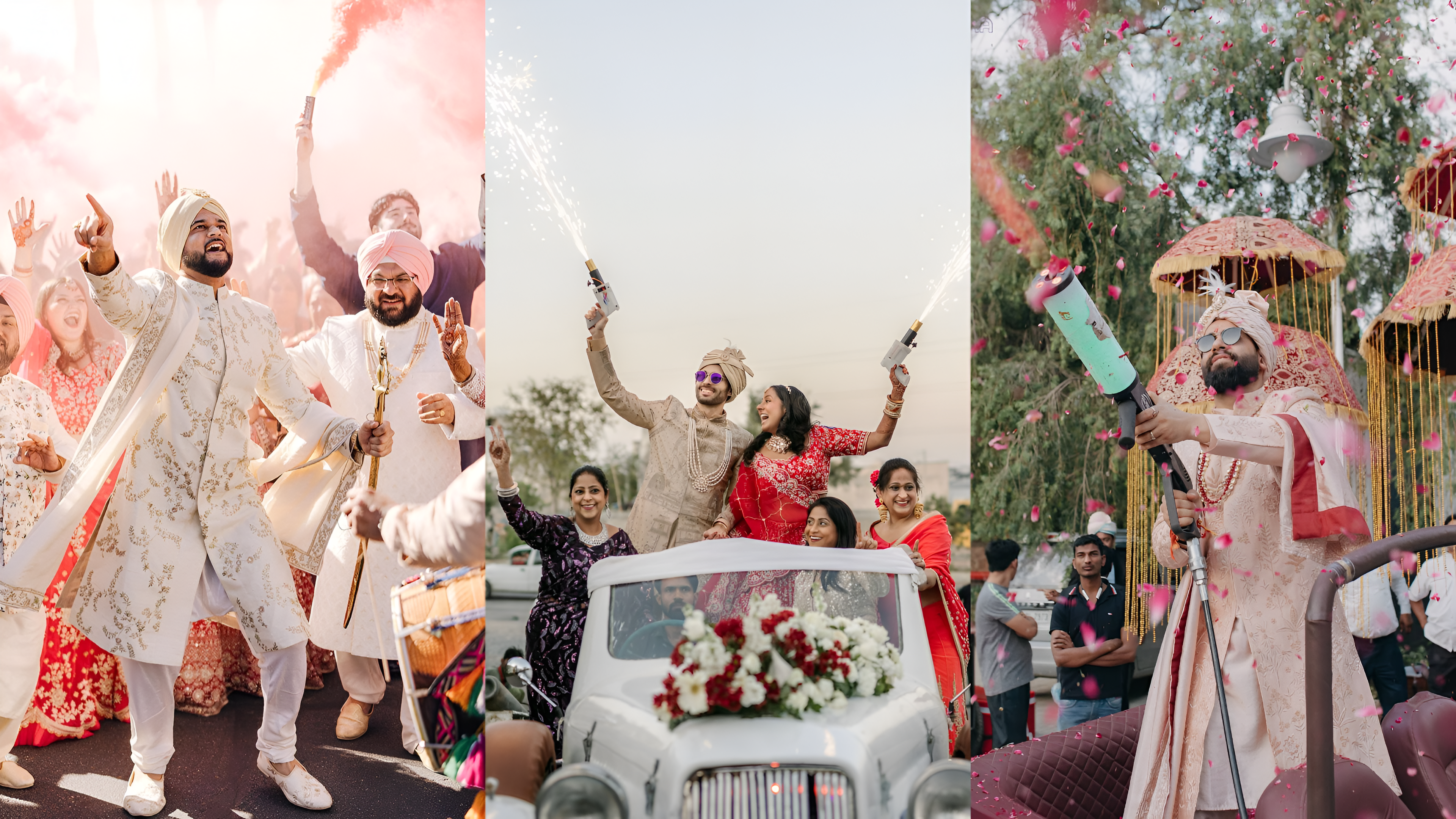
- 8 Baraat Ideas That'll Make You the Star of Your Wedding
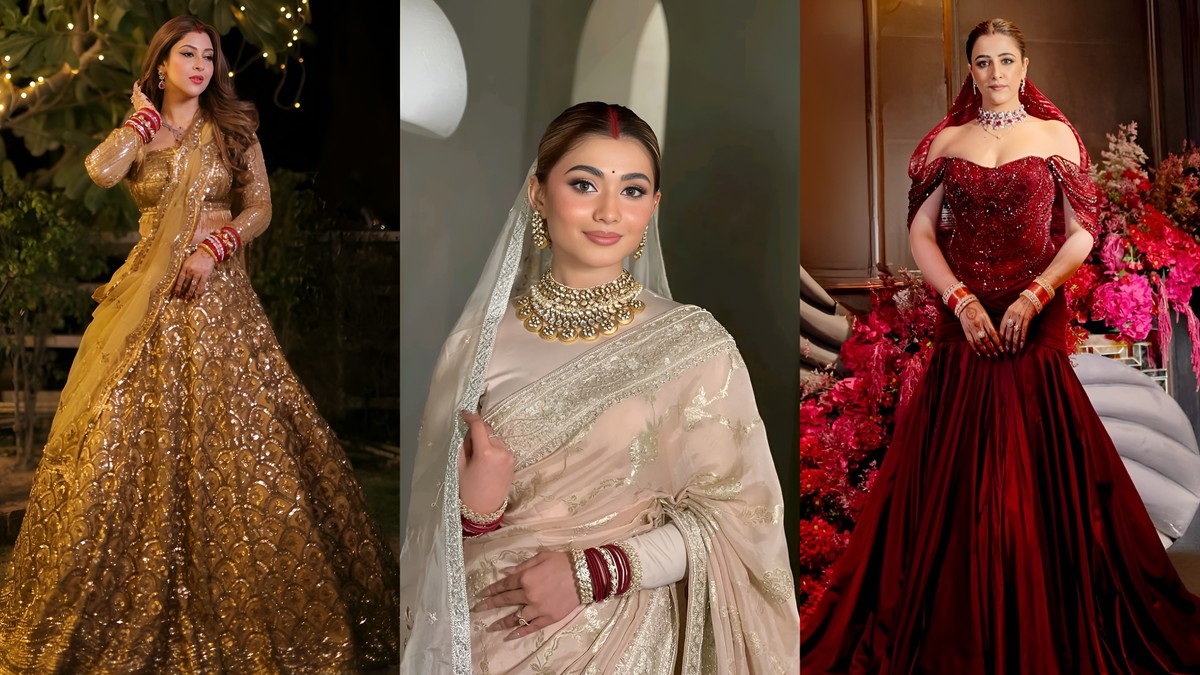
Reception Look for Bride: 20+ Sarees, Gowns & Lehengas
Most brides spend six months picking their wedding day lehenga and exactly two weeks on their reception outfit. That's backwards, because your reception look gets photographed more, worn longer, and seen by more guests in one sitting than almost any other outfit in your wedding wardrobe. Get it wrong and you're stuck dancing in a heavy dupatta at 11 PM, sweating through a velvet blouse, or watching your carefully chosen sequins disappear under bad venue lighting.
This guide ranks 20+ reception looks for brides across sarees, gowns, and lehengas, based on how they actually perform at real Indian receptions, not just how they look in a designer's lookbook.
Saree for reception party
Sarees remain the single most requested reception outfit category across India, largely because they photograph beautifully and give brides room to express their personal style without losing tradition entirely.
1. Sequin Concept Saree
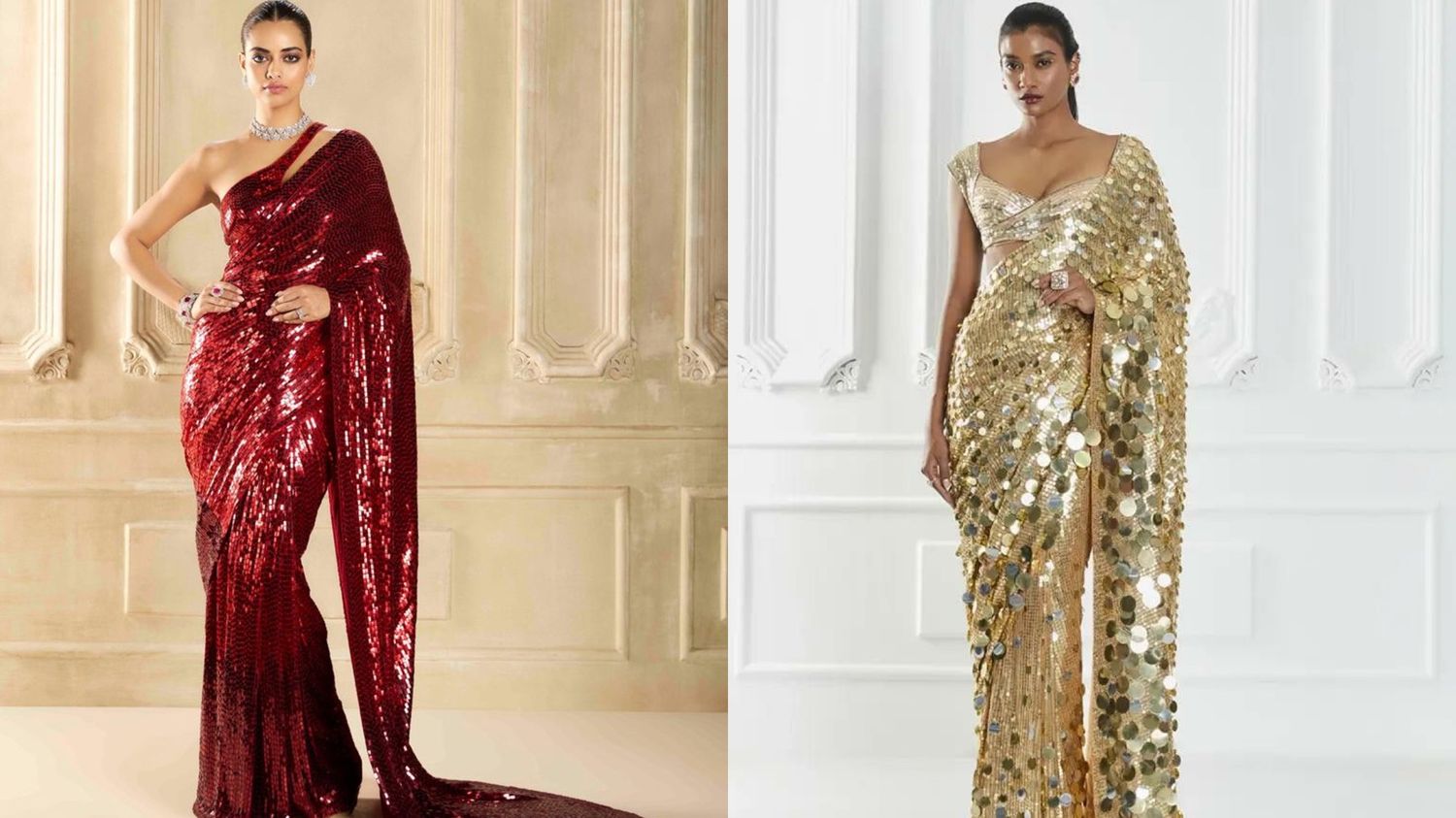
A fully sequinned saree in champagne, rose gold, or soft silver reads rich under literally any lighting condition. It photographs exceptionally well because the sequins catch and bounce light from every angle, which is exactly what you want for a night full of camera flashes. Pair it with a corset-style blouse and consider skipping the dupatta entirely for a cleaner, more modern silhouette.
Also, check: Top 10 Bridal Reception Hairstyles
2. Organza Saree with Heavy Border
6.jpeg)
Organza is light on the body but still manages to look dramatic on camera, which makes it one of the smartest fabric choices for a long reception evening. A contrasting velvet or zardozi border on a pastel organza base works especially well for winter receptions, where the heavier border adds richness without adding real weight. The fabric drapes beautifully and doesn't crush or crease the way heavier silks do after hours of sitting and standing.
3. Pre-Draped Saree Gown
4.jpeg)
This is the single biggest reception trend of 2026, a saree that's pre-stitched and structured to look like a traditional drape but is worn exactly like a gown, with zero pre-event draping stress. It's an ideal choice for outdoor and destination receptions where wind, uneven ground, and long walking distances make a traditionally-draped saree impractical. Brides managing tight getting-ready schedules are choosing this specifically to save time without giving up the saree silhouette entirely.
Also, check: 20 Stunning South Indian Blouse Designs
4. Shimmer Tissue Saree
4.jpeg)
Tissue fabric has a subtle, understated shine that works beautifully for daytime receptions, especially in warmer months when heavier fabrics feel like too much. A gold or silver tissue saree paired with statement jhumkas and a simple bun is a strong, elegant daytime pick that doesn't try too hard. It's breathable, doesn't wrinkle easily, and photographs with a soft glow rather than an overpowering sparkle.
5. Cape Saree
2.jpeg)
A detachable cape adds real drama to your entry moment, and then comes off easily for the dance floor later in the evening. This gives you a genuine two-look reception without the cost, time, or hassle of an actual outfit change. The cape can be embellished heavily while the base saree stays relatively simple, which keeps the overall outfit lighter than it looks in photos.
Also, check: Trending 30 Wedding Hair Accessories for Brides
6. Velvet Saree with Belt
2.jpeg)
Velvet is structured, warm, and modern, and it works best for winter weddings in North India where the temperature actually calls for a heavier fabric. Adding a jewelled or embroidered belt over a relatively plain velvet saree instantly defines the waist and adds a contemporary edge to a classic drape. It's a strong choice for brides who want their reception look to feel a touch more regal.
…Read More
Recent News


Newsletter
Subscribe to our mailing list to get the new updates!

Subscribe our newsletter to stay updated